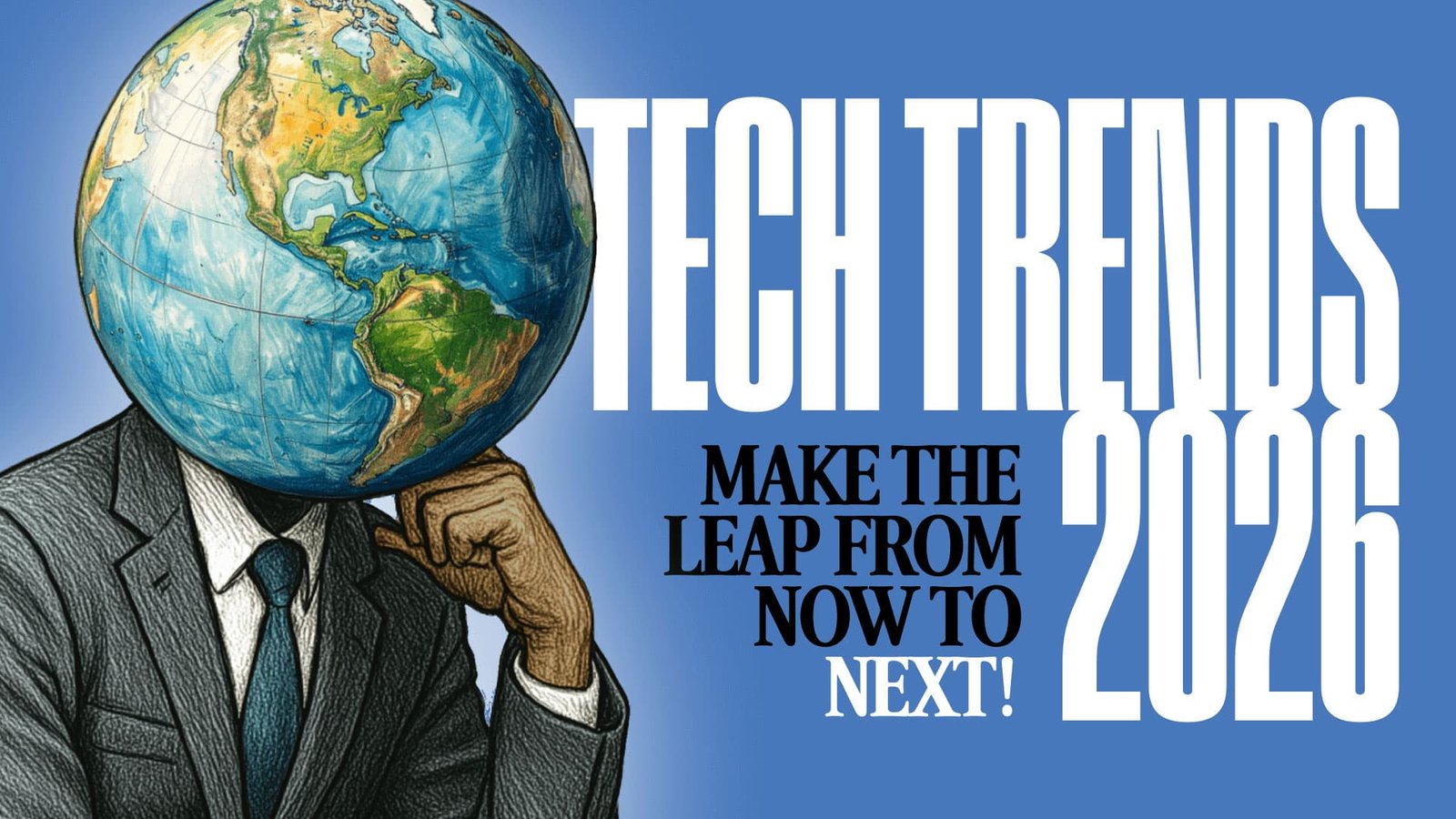
From breakthroughs in artificial intelligence to transformative advances in sustainable tech, 2024 was a year of innovation that reshaped industries and reimagined how we work, live, and connect. As emerging technologies moved from concept to reality, they unlocked new possibilities and set the stage for the next decade of digital transformation.
1. AI Everywhere: Beyond Chatbots
Artificial intelligence dominated headlines in 2024, but its impact went far beyond conversational agents.
- Generative AI matured: Models became more capable in creating high-fidelity images, audio, code, and even interactive 3D environments. Tools that once felt experimental became integral parts of creative and enterprise workflows.
- AI governance took priority: With widespread adoption, organizations accelerated efforts in responsible AI — focusing on bias mitigation, explainability, and ethical deployment.
- Industry-specific AI: From healthcare diagnostics to financial risk analysis, purpose-built AI solutions helped businesses automate complex tasks with precision.
AI wasn’t just a tool — it became an integral partner in innovation.
2. Decentralized Web and Web3 Infrastructure
The idea of a more user-centric internet gained stronger footing in 2024.
- Web3 adoption grew: Decentralized finance (DeFi), digital identity frameworks, and blockchain-based data ownership expanded beyond niche communities.
- Interoperability became key: Protocols that connected disparate blockchain networks began to unlock new collaborative applications.
- Regulatory frameworks emerged: Governments started formalizing policies to manage digital assets, giving enterprises greater confidence to innovate.
Though still evolving, Web3’s infrastructure strides showed a longer-term shift toward a decentralized digital ecosystem.
3. Quantum Computing Moves Toward Practicality
Quantum computing stepped out of labs and into early applications.
- Companies invested in hybrid quantum-classical workflows to solve optimization challenges.
- Error mitigation techniques and modular hardware designs improved reliability.
- Real-world pilots in logistics, materials science, and drug discovery demonstrated quantum’s potential to tackle previously intractable problems.
Quantum isn’t mainstream yet, but 2024 marked a key milestone toward commercialization.
4. Next-Gen Connectivity: 5G and Beyond
While 5G rollout continued worldwide, its impact deepened:
- Ultra-reliable low-latency communication unlocked new use cases in robotics, remote surgery, and autonomous systems.
- Private 5G networks delivered secure, high-performance connectivity in manufacturing floors and enterprise campuses.
- Conversations around 6G innovation frameworks also gathered momentum, hinting at future leaps in wireless connectivity.
Faster and smarter networks didn’t just speed things up — they enabled entirely new classes of applications.
5. Sustainability Through Technology
Tech innovation increasingly aligned with environmental stewardship.
- AI-driven energy optimization helped utilities balance demand and supply with minimal waste.
- Green data centers adopted liquid cooling, renewable energy sourcing, and energy-efficient hardware.
- Agritech solutions leveraged IoT and analytics to increase crop yields while reducing resource usage.
Sustainability became not only a social priority but a competitive advantage for tech leaders.
6. Human-Computer Interaction Reimagined
The way we interact with machines evolved significantly:
- Augmented Reality (AR) interfaces made digital experiences more context-aware — from navigation overlays to real-time collaboration tools.
- Voice and gesture control grew more reliable, intuitive, and accessible.
- Brain-computer interface (BCI) research advanced, showing promise for accessibility and hands-free computing (though still early stage).
In 2024, interfaces became more natural, immersive, and human-centric.
7. Cybersecurity in an AI World
As digital systems became more complex, so did the threats:
- AI-powered security tools accelerated threat detection and response.
- Zero-trust architectures became standard practice for enterprise security.
- Companies invested in privacy-preserving technologies like federated learning and homomorphic encryption to protect sensitive data.
Security shifted from a checklist to a dynamic, AI-augmented ecosystem.
Looking Ahead: What 2025 Might Hold
The innovations of 2024 were not endpoints — they were springboards. As we move into 2025 and beyond:
- AI and human creativity will continue to co-evolve.
- Edge computing and IoT will reshape smart environments.
- Ethics and regulation will play an increasing role in tech adoption.
The trends that defined 2024 are not just technological — they are societal. They show that innovation thrives at the intersection of creativity, responsibility, and human need.